The Crisis Beneath the Surface
Today, water scarcity is no longer a distant threat – It’s a $200 billion opportunity. Water scarcity has evolved from a distant concern into a pressing global emergency. While water covers 75% of the Earth’s surface, only 1-2% is usable, and demand is surging 25% faster than population growth.
Meanwhile, one-third of piped water globally is lost to leaks, aquifers are collapsing, and AI data centers are consuming millions of liters monthly.
Yet within this crisis lies one of the most compelling investment opportunities of the decade.
In this article we focus on discussing some of the innovative solutions – spanning infrastructure, management, treatment, and technology, which in our view hold the key to mitigating this challenge.
The 3 Pillars of the Growing Water Emergency:
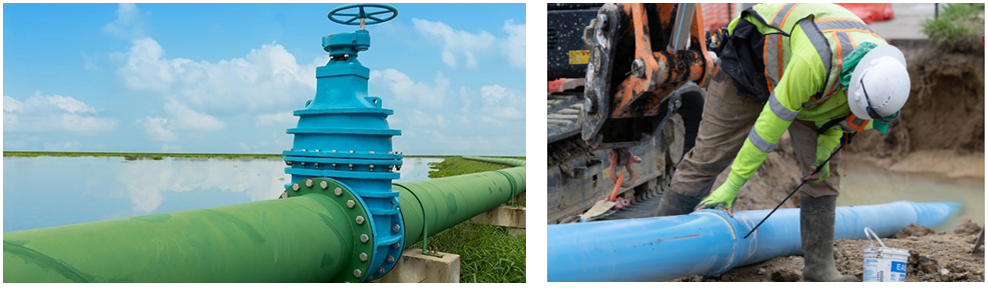
1. Crumbling water infrastructure
The OECD estimates $1 trillion is needed globally by 2030 to meet water infrastructure gaps, with $200B/year as a rough annualized benchmark[1].
- Leakage: One-third of piped water globally is lost to leaks before reaching consumers[2].
- Scale: The US water pipe network spans 2.2 million miles – enough to circle the Earth 80 times – with a main bursting every 2 minutes.[3]
- Contamination: 80% of sewage globally remains untreated, while microplastics pollute 83% of tap water.[4]
2. Unsustainable Demand Growth
- Demand Surge: Water usage has risen 40% in 40 years and is projected to increase another 25% by 2050 – 1.7 times faster than population growth.[5]
- Aquifer Collapse: Over 50% of aquifers – natural underground water reservoirs – have passed their tipping points.[6]
3. Data Centers: A Thirsty New Challenge
- AI’s Water Footprint: ChatGPT consumes ~4.5 million liters monthly – enough for 2 glasses of water for every person on Earth. By 2027, AI models could require 6.6 billion m³ annually, exceeding half the UK’s total yearly water usage.[7]
The challenges outlined above underscore the urgent need for action. However, they also highlight a growing opportunity: the chance to rethink how we manage, treat, and distribute water. From cutting-edge technology to large-scale infrastructure projects, innovative solutions are already emerging – and they are reshaping the future of water sustainability.
These advancements not only mitigate water scarcity but also present significant opportunities for investors and stakeholders.
We identify 4 main areas of advancement:
1. Water Infrastructure